Wild Camping in the UK: A Beginner's Guide to Leave No Trace
October 08, 2026 - Travel Guides


October 07, 2026 - Tips
October 06, 2026 - Destinations
October 02, 2026 - Travel Guides
Copenhagen is a city you read as much as you walk through. The benches have designers' names attached, the metro stations look drawn rather than built, and even the bridges have a certain line to them. Noticing all that costs nothing. Over a compact weekend you can cover the major collections, ride the harbour loop and still sit down to a proper smørrebrød lunch without feeling rushed.
This plan assumes two nights and a bicycle. It leans on the city's free and low-cost design, keeps the paid museums to a sensible few, and leaves room for the thing Copenhagen does better than almost anywhere: a long, unhurried lunch.
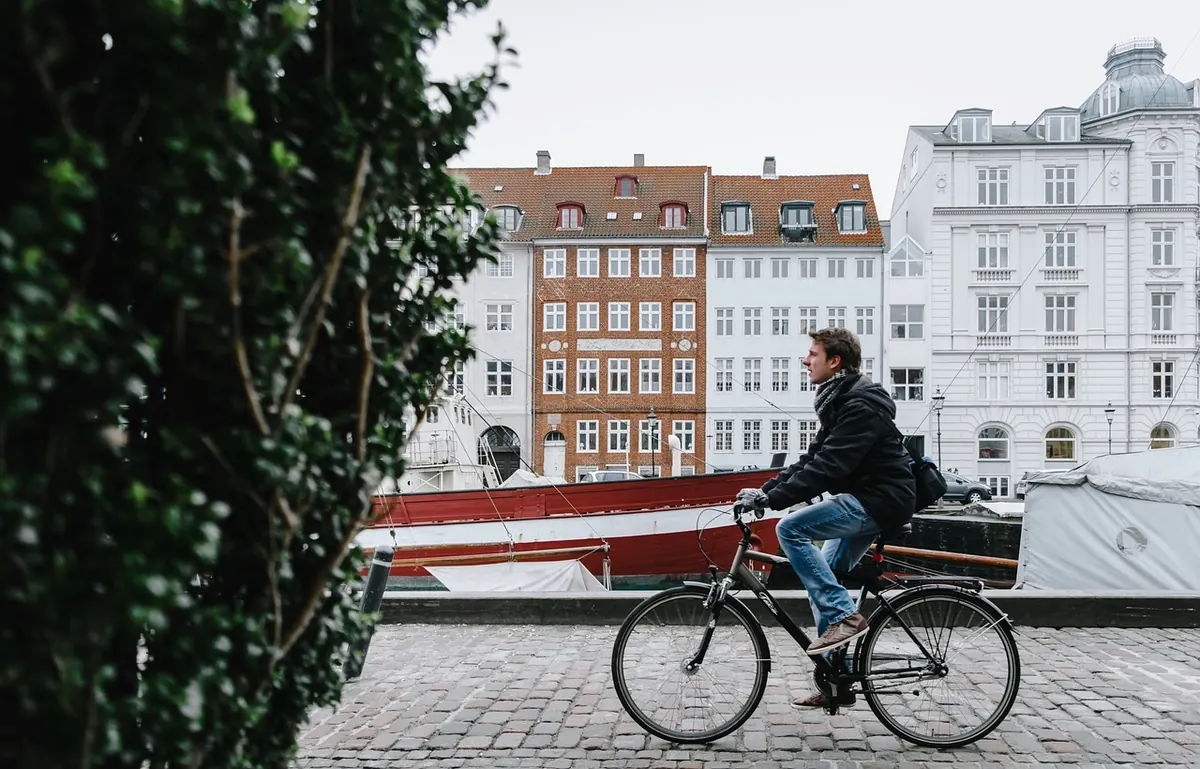
Land, drop your bags, and get a bike before you do anything else. It is the fastest way around a flat, compact city, and it puts you at eye level with the details that make Danish design worth the trip: door handles, railings, paving, the way a bench meets the water. Hotels often lend bikes to guests; otherwise look at the app-based rental schemes dotted around the centre, or a bike shop that also does repairs.
Then ride to Bredgade and walk the last stretch. This street is the spine of the city's design identity: Designmuseum Danmark sits behind a rococo gate, and the surrounding blocks are full of furniture showrooms, antiquarian bookshops and quiet courtyards. The museum's galleries hold the chair canon you have seen in photographs, alongside ceramics, textiles and fashion. Give it two hours, no more, and save the rest for later in the weekend if it grips you.
Finish with a slow lap of Nyhavn and the harbour front, but keep moving. The point of Friday is orientation, not ticking things off.
Start early. Museum queues build after eleven, and the light in the older buildings is best before the crowds arrive.
If you want one bigger excursion, take the train north to Humlebæk for Louisiana Museum of Modern Art. The journey takes well under an hour from the centre and the building, by Jørgen Bo and Vilhelm Wohlert, is as much the attraction as the collection. Go on a weekday if you can.
If you plan to visit three or more paid museums and use the metro or harbour bus, a city card that bundles transport and entries can work out cheaper than paying as you go. Otherwise buy single tickets and walk. Copenhagen is generous with free design: the harbour baths, Kalvebod Bølge's boardwalk, Superkilen park in Nørrebro, the library gardens and the cycle bridges are all open to anyone.
The best free architecture in Copenhagen is the waterfront, and the quickest way to understand the city is to ride round it.
If you would rather not plan a route, follow the signed Harbour Circle markers that loop the water and let them make the decisions. Either way, ride on the right, signal with your hand, keep clear of the lane when you stop to look at something, and use lights after dark. Do not drink and cycle; Danish police can fine riders who are over the limit.
Lunch is the main event. Book a table a week or two ahead in summer, and expect most places to serve only at midday, with kitchens closing mid-afternoon. Schønnemann, Aamanns, Selma, Told & Snaps and the older canal-side cafés near Gammel Strand all do it well; several close on Sundays and Mondays, so check before you set your heart on one.
The etiquette is simple, and knowing it makes the meal better:
Afterwards, walk it off along Strøget and its side streets, where Hay House, Normann Copenhagen and Illums Bolighus sit within a few minutes of each other. The smaller streets off the main drag — Kronprinsensgade, Store Kongensgade — have better browsing and fewer crowds. If you are in the city on a weekend, a flea market in Nørrebro or on Christiania will usually beat any showroom on price.
Where to stay. Indre By puts you within walking distance of most of this. Vesterbro and Nørrebro are cheaper, better for food, and only a short ride away. The metro from the airport to the centre takes around fifteen minutes.
When to go. Late spring and early autumn give you long light and thinner crowds. Summer is lovely and busy; winter is dark by mid-afternoon, which makes the museums and the smørrebrød tables look even better.
Money and manners. Denmark is close to cashless, so a card is enough for almost everything. Service is included in bills and tipping is not expected. Restaurant reservations matter far more than a tip.
Take layers. The weather changes quickly and the wind off the harbour is real. A waterproof jacket and a warm middle layer will do more for your weekend than any packing hack.
Book ahead. Timed museum entry, smørrebrød tables and bike hire in peak season. Everything else can be decided on the day, preferably from a bench by the water.
Photo: StockSnap / Pixabay

A practical guide to wild camping in the UK, covering the legal differences across Scotland, England and Wales,...
Greenwashing, rail versus flight, and the low-cost choices that shrink a trip's carbon footprint — a practical guide...
October 07, 2026 - Tips
October 06, 2026 - Destinations
Copyright © 2026 Wander Press. All Right Reserved.