Wild Camping in the UK: A Beginner's Guide to Leave No Trace
October 08, 2026 - Travel Guides

October 07, 2026 - Tips
October 06, 2026 - Destinations
October 02, 2026 - Travel Guides
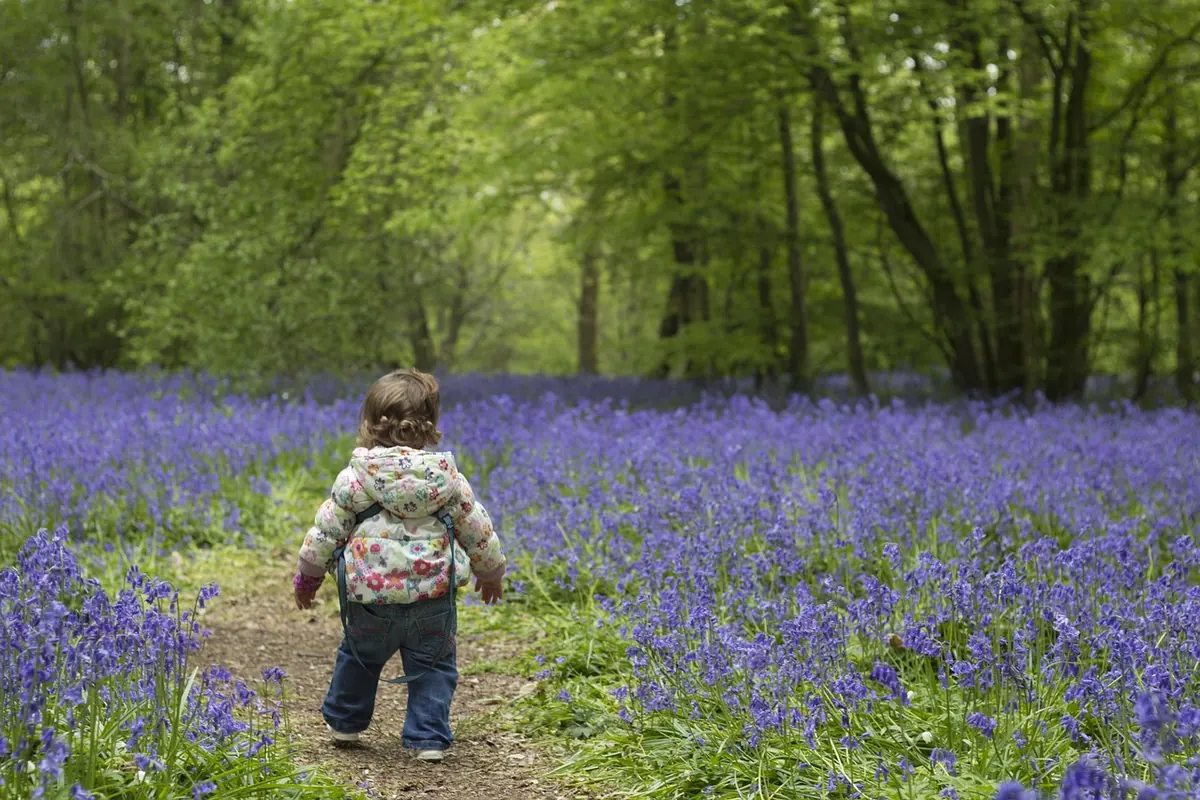
For a fortnight or so each spring, English woodland floors turn a blue that looks almost artificial from a distance. Up close it is softer: violet-blue bells nodding along one side of the stem, with a scent somewhere between hyacinth and damp earth. Catch it at the right moment and a walk stays with you for years. Catch it a week late and you will find seed heads and bare green stalks. Timing, altitude and weather all matter, which is why a little planning is worth the effort.
Bluebells do not keep to a calendar. Woods in Cornwall can be in full flower while woods in Northumberland are still tight in bud. Three things shift the season around: latitude, altitude and the shade above the flowers.
Warmth drives the whole thing. A mild March followed by a settled April brings the display forward; a cold, wet spring holds it back by a week or two. South-facing slopes and open woodland edges go first. Deep, north-facing beech woods come last, sometimes a fortnight behind the same county's sunny hedgerows.
Height matters too. Woods high in the Pennines or the Lake District tend to flower noticeably later than lowland woods a short drive away. If you remember one thing, remember this: aim for late April to early May in the south and west, and mid to late May in the north and on higher ground. Then check a local source before you set off.
Early April is usually too early for a full carpet, but it is a lovely time to be out. You get wood anemone, wild garlic shoots and the first bluebell spikes pushing through leaf litter. The woods are almost empty, and the birdsong is louder than the traffic.
By the third week of April, southern and western woods start to colour up. Think the Chilterns, the New Forest, and the steep wooded valleys of Devon. This is the stage people photograph by accident and then wonder why the blue looks thin. It is not thin — it simply is not finished yet.
This is the period most people mean when they talk about bluebell woods. The canopy is still open enough for light to reach the ground, the flowers are at their deepest colour, and the scent carries on still mornings.
Arrive early or late. Car parks at well-known sites fill by mid-morning on weekends, and the middle of the day gives flat, contrasty light. An hour after sunrise is magical; so is the last hour before dusk, when the blue seems to glow. Overcast, windless mornings often photograph better than harsh sunshine, and colour looks richest after rain — so take boots rather than trainers.
If you can only go at a weekend, choose the smaller, less famous wood. A quiet reserve with half the flowers beats a crowded one with twice as many.
Cumbria, Yorkshire, Lancashire and Northumberland hold their display later. Woods around Rannerdale and Borrowdale in the Lake District, and the millstone grit valleys around Hardcastle Crags, are often at their best in the second half of May, sometimes into the first days of June.
The trade-off is that everything else has woken up too: cow parsley, ferns and midges. Take a long-sleeved layer, tuck trousers into socks on narrow paths, and check yourself for ticks after a day in deep vegetation. In a cold spring, northern woods can slip past the end of May entirely, so a phone call or a quick look at a wildlife trust's recent sightings page saves a wasted journey.
These are established, well-managed sites where bluebells are the main event. Check opening times, parking charges and any seasonal trail closures before travelling.
None of these are secrets. For a quieter day, look at a map for ancient woodland — irregular boundaries, old lanes and place names ending in "hurst" or "holt" are good hints — and check whether a local wildlife trust reserve is nearby. Small reserves are often the best bluebell woods nobody talks about.
Bluebells are tougher than they look and more fragile than people assume. A native bluebell grown from seed can take several years to flower, and the bulb beneath the soil does not appreciate being stood on. Compaction and trampling damage the plants and the woodland flora around them.
Native bluebells have narrow leaves, deep violet-blue flowers drooping along one side of the stem, and cream-coloured pollen. Spanish bluebells are paler, often pink or white, with flowers arranged all round a thicker stem and broad leaves. The two cross-breed, and garden escapes are a real problem near wild sites, so never dump garden bulbs in a wood or hedge.
Pick your window, then protect it with a quick check. Wildlife trusts, the National Trust and Forestry England all post seasonal updates, and local reserve wardens usually know within a day or two when a wood hits its best. Go midweek if you can, arrive early, and carry a paper map in case the signal drops.
Above all, give the flowers room. The bluebell display is short, and it returns each year only because the woods are left alone the rest of the time. Walk quietly, stay on the path, and you will see it again next spring.
Photo: platinumportfolio / Pixabay
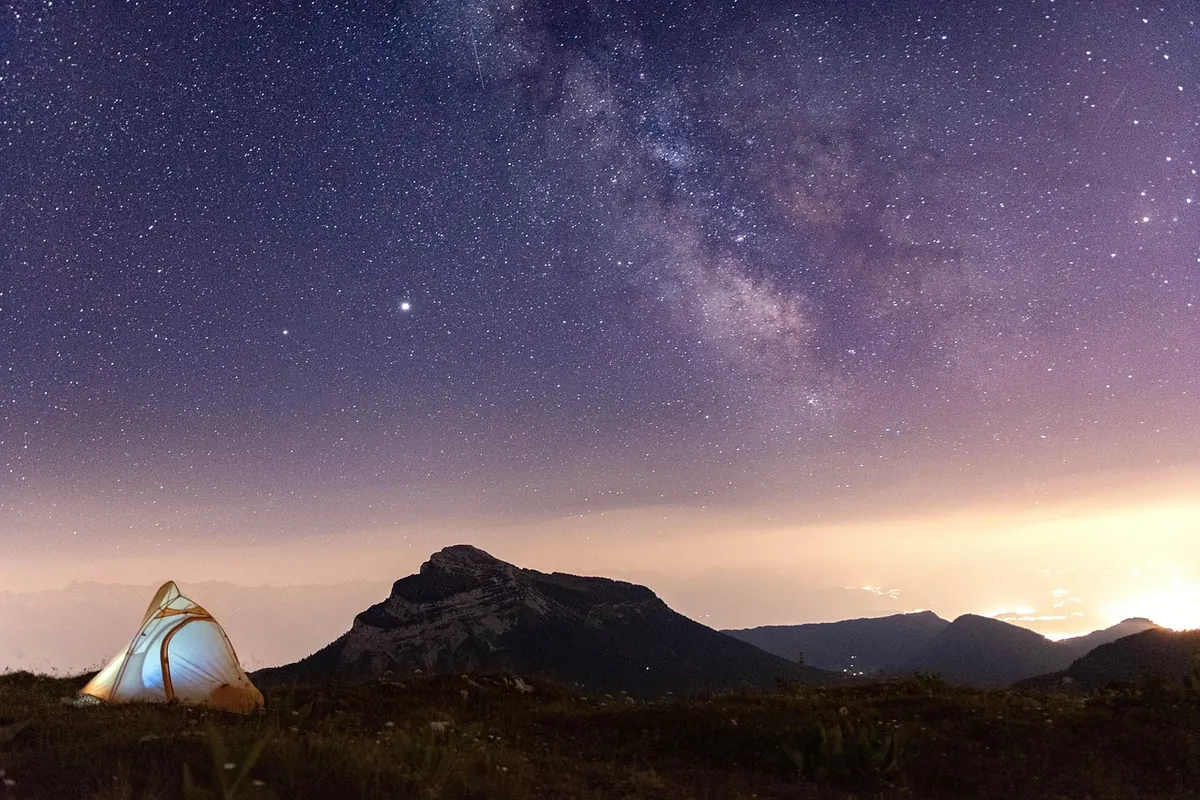
A practical guide to wild camping in the UK, covering the legal differences across Scotland, England and Wales,...
Greenwashing, rail versus flight, and the low-cost choices that shrink a trip's carbon footprint — a practical guide...
October 07, 2026 - Tips
October 06, 2026 - Destinations
Copyright © 2026 Wander Press. All Right Reserved.