Wild Camping in the UK: A Beginner's Guide to Leave No Trace
October 08, 2026 - Travel Guides


October 07, 2026 - Tips
October 06, 2026 - Destinations
October 02, 2026 - Travel Guides
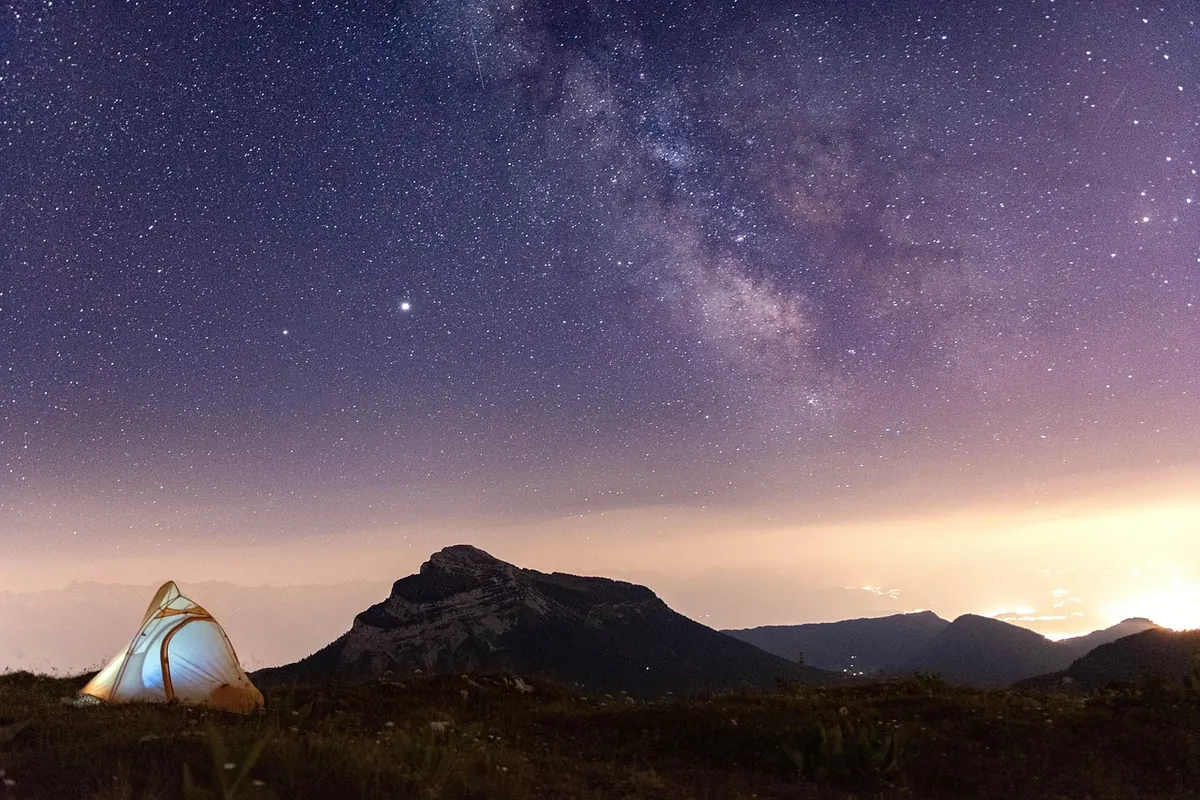
There is a particular kind of quiet that settles over a hillside once the day walkers have gone home. You cook something simple on a tiny stove, watch the light drain out of the sky, and sleep where the only sound is wind in the grass. Wild camping gives you that — not a campsite with a shower block and a queue for the washing-up sinks, but a pitch you have chosen yourself, usually alone.
It is also the kind of activity that can go wrong quickly if you treat it casually. Land access in the UK is complicated, the weather does not negotiate, and a badly managed camp can damage the very places we go to enjoy. What follows is what you need to know before your first night out.
The single most important thing to understand is that the rules are different depending on where you are standing. This is not a detail you can skip.
Scotland is the easiest place to start. Under the Land Reform (Scotland) Act 2003, you have a statutory right of responsible access to most unenclosed land, and that includes lightweight wild camping. The key word is responsible. Pitch small, stay a night or two at most, and move on. Some popular areas — parts of Loch Lomond and the Trossachs, for example — have seasonal byelaws requiring you to use a permit or a designated spot during the summer months. Check local guidance before you travel.
Here, wild camping is generally not a legal right. Almost all land is owned by someone, and pitching without permission is a trespass, even on open access land. In practice, many people wild camp in upland areas and are tolerated when they are discreet, but tolerated is not the same as allowed. The honest approach is to ask the landowner or farmer first where you can, and to accept a no gracefully when it comes. Dartmoor has long been the exception people point to, but a recent court ruling has left the position there unclear, so check the current situation before planning a trip.
If you are asked to move on, do so immediately and without argument. A quiet, friendly response keeps access open for everyone who comes after you.
A good pitch is not about the view. It is about ground that is flat, dry and already bare. Look for a spot that has clearly been camped on before — a patch of flattened grass, a worn circle of earth — rather than somewhere pristine. Avoid the edges of lochs and rivers, where erosion is worst and wildlife is most vulnerable. Stay away from roads, buildings and footpaths, and set up well before dark so you can see what you are doing and avoid disturbing anything.
You do not need much, but the small amount you do need has to work. Borrow or hire before you buy; the difference between a well-designed tent and a cheap one becomes obvious the moment it rains sideways.
Start with a lightweight tent that pitches easily and can handle wind, not just rain. A sleeping bag rated for the season, paired with an insulated mat, matters more than most beginners expect — the ground will pull heat out of you all night. Add a small stove and a lighter, food that needs hot water rather than complex cooking, and more water than you think you need. Layers, a waterproof jacket, a headtorch with spare batteries, a basic first-aid kit with blister plasters, and a small trowel and waste bags complete the picture.
Check the forecast at least twice before you go, and tell someone where you are heading and when you expect to be back.
The principle is simple: nobody should be able to tell you were there. The practice takes a bit more thought.
Take everything out that you brought in, including food scraps and tea bags. For human waste, walk well away from water, dig a hole about a spade deep, do your business, and cover it properly. Carry out any toilet paper in a bag. If you cannot manage that, use a sealed waste bag instead. Choose a spot that is already worn rather than creating a new one, and if you move rocks to pitch your tent, put them back.
Fires are the biggest risk you can take in the British uplands. Peat and dry grass catch easily, and a burn scar can last years. Use a stove instead, and if you genuinely must have a fire, keep it small, on bare mineral soil, well away from trees and heather, and only where fires are permitted. Douse it completely before you sleep.
Keep your distance from animals, close gates behind you, and keep dogs under proper control or leave them at home. Avoid nesting season where ground-nesting birds are present. Do not feed anything, however appealing it seems.
Wild camping works on goodwill. Ask farmers and landowners politely, explain what you are doing, and be clear about how many of you there are. Groups are the fastest way to lose a yes — two or three people blend in, eight people look like a festival. Keep noise low after dark, and do not camp in car parks, laybys or on verges, which causes real problems for local communities.
Start somewhere you know the rules allow it, ideally in Scotland. Go with one other person, keep the walk short, and take less than you think you need — you can add comfort later. Pack out everything, leave the ground as you found it, and be ready to move if asked. If you want certainty about a specific area, check with the local land manager or access authority, and take professional advice where access or liability is unclear. Do those things and you will sleep well, walk out without a trace, and want to go again.
Photo: Baptiste_lheurette / Pixabay
Greenwashing, rail versus flight, and the low-cost choices that shrink a trip's carbon footprint — a practical guide...
A two-day plan for Copenhagen's design highlights: affordable museums, harbour cycling routes and classic smørrebrød...
October 07, 2026 - Tips
October 06, 2026 - Destinations
Copyright © 2026 Wander Press. All Right Reserved.