Wild Camping in the UK: A Beginner's Guide to Leave No Trace
October 08, 2026 - Travel Guides


October 07, 2026 - Tips
October 06, 2026 - Destinations
October 02, 2026 - Travel Guides
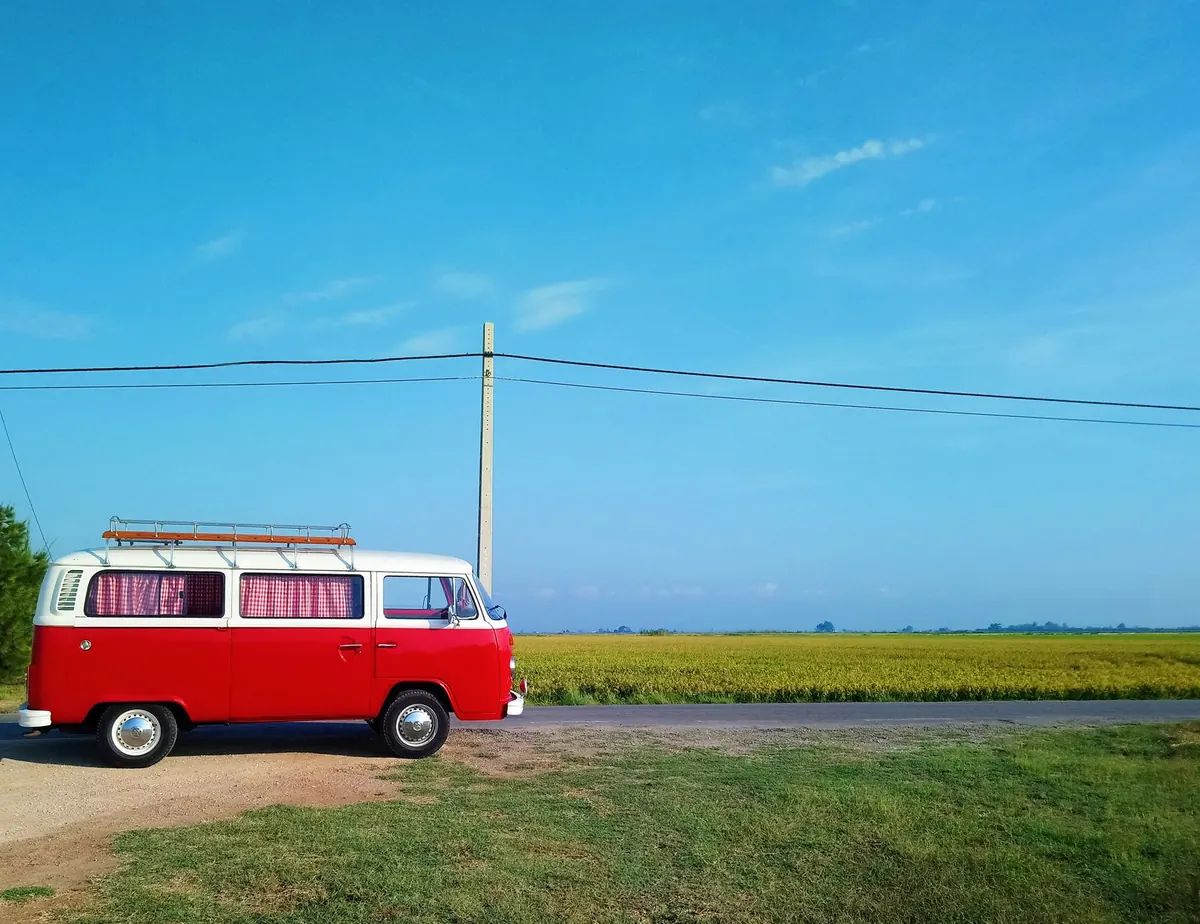
You have a week, a full tank and a rough line on the map from the Cotswolds up to the Lakes. The only real decision left is where you sleep: in the back of a van, or in someone else's spare room with a cafetière on the dressing table. Both work. They just ask different things of you.
Here is how to work out which one suits the trip you are actually taking, rather than the one you daydream about in February.
Campervan costs are front-loaded and lumpy. If you own the van, most of the money left your account long ago; the trip itself costs fuel, pitch fees, gas, water and the odd shower token. If you hire, you are paying a daily rate plus a deposit, and the small print matters: mileage limits, insurance excess, one-way drop-off charges and what happens if you return it with a scratched bumper.
A bed and breakfast spreads the cost across every night. One room, one bill, breakfast included, and no fuel penalty for lugging a heavier vehicle up every hill in the Peak District.
What usually tips the balance is how you eat and how long you are away. A van rewards a longer trip built around self-catering: a two-ring hob, a cool box, a folding table outside when the weather plays ball. A B&B rewards a shorter trip with fewer stops, where you would rather pay for dinner in a pub than cook pasta in a lay-by. Run the numbers with real quotes for your own dates. The answer is rarely the same for a fortnight in Cornwall as it is for three nights in the Yorkshire Dales.
Nothing beats the moment you decide, at four in the afternoon, that the coast looks better than the cathedral. In a van you simply go. Your bedding, your kettle and your walking boots travel with you, and nobody has to repack a rucksack every morning.
The catch is that a pitch is not guaranteed. In August, on a popular stretch of coast, turning up without a booking is a gamble, and the same is true of festival weekends and school holidays. B&Bs and pubs with rooms also fill up, and their cancellation terms can bite if you change plans late.
So the honest comparison is this: a van gives you freedom of route, a B&B gives you certainty of place. Decide which one you will actually value at nine in the evening.
A campervan bed is not automatically a good bed. Some conversions are genuinely comfortable; others are a bench with a cushion on top, narrow enough that the person on the inside has to climb over the person on the outside. Height matters too. If you are tall, lie on the bed before you commit.
A B&B gives you a hot shower with proper pressure, a radiator for wet waterproofs, walls that do not drum in the rain, and somewhere to sit that is not also where you sleep. If one of you sleeps badly, or you are travelling with a baby, or your dog sheds everywhere, that counts for more than the romance of the open road.
Two practical tips. Hire before you buy: two nights in a van in wet weather tells you more than a year of browsing listings. And when booking a room, check whether breakfast is included, whether there is parking, and whether the bathroom is en suite. Those three details change the value considerably.
Rain is the great decider. A full day of it in Snowdonia is a very different experience in a small metal box, with two damp coats, a wet dog and nowhere to hang anything, than it is in a B&B with a drying room and a pub at the end of the lane.
The van fights back in other conditions. When a forecast turns, you can drive an hour south or east and find better weather; a booked room keeps you where you are. And in a fine spell, eating breakfast with the sliding door open beats a dining room every time.
Cold is the detail people underestimate. Without a heater or an electric hook-up, April and October nights can be genuinely chilly, and damp bedding feels worse than cold air. Ventilation is your friend: crack a window, use the roof vent, and keep bedding away from the walls where condensation gathers.
The rules vary across the UK and change between councils, national parks and landowners, so check before you set off rather than after. In broad terms:
Arriving somewhere at nine at night hoping for a pitch is how you end up sleeping in a lay-by you did not choose, next to a road you did not want to hear.
Do three things before you commit. Work out an honest nightly cost for both options using current quotes, including fuel, pitch fees and meals. Write down what you need at the end of a wet day — a hot shower, a flat bed, a door you can close — and see which option provides it. Then look at the calendar and be realistic about how busy your chosen area will be.
If you are hiring, read the insurance terms properly and check what is and is not covered; if money is tight, treat the figures as a budget exercise rather than a guess, and speak to your insurer or a qualified adviser about anything you are unsure of. Whatever you choose, book your first night and your last night, and leave the middle loose. That way you get the security of a plan with the freedom to abandon it.
Photo: Sergi Montaner / Pexels

A practical guide to wild camping in the UK, covering the legal differences across Scotland, England and Wales,...
Greenwashing, rail versus flight, and the low-cost choices that shrink a trip's carbon footprint — a practical guide...
October 07, 2026 - Tips
October 06, 2026 - Destinations
Copyright © 2026 Wander Press. All Right Reserved.