Wild Camping in the UK: A Beginner's Guide to Leave No Trace
October 08, 2026 - Travel Guides

October 07, 2026 - Tips
October 06, 2026 - Destinations
October 02, 2026 - Travel Guides
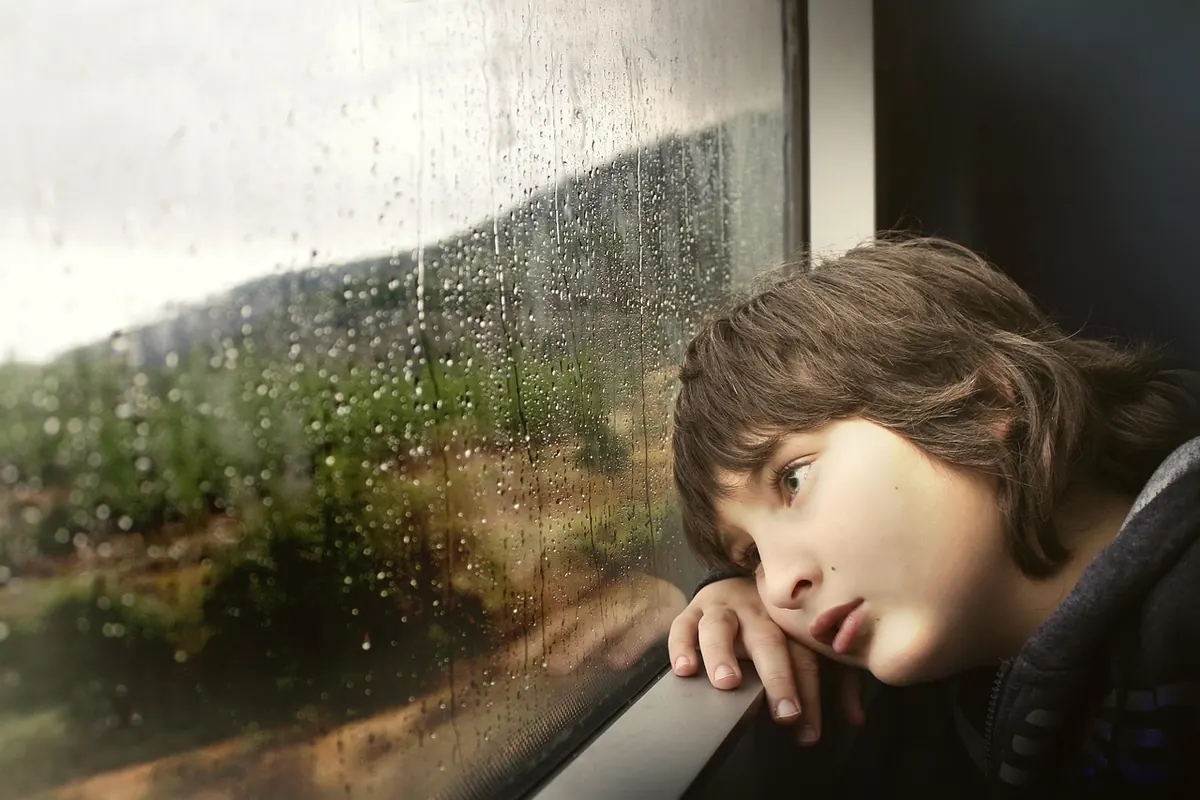
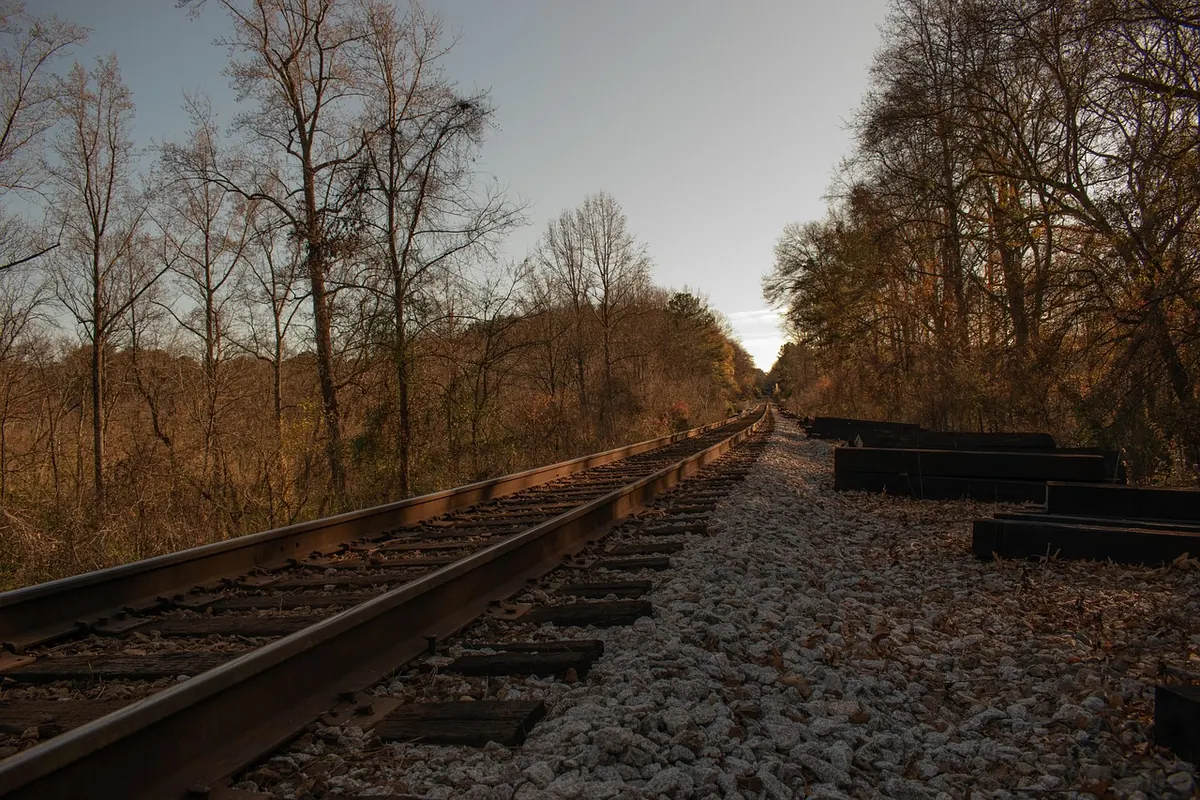
The train left Cologne at twenty past nine, twenty minutes behind schedule, and I decided not to mind. I had a rail pass, a canvas bag and a route sketched in pencil on the back of an envelope: a slow arc along the Rhine, over the Alps, down towards the Adriatic, then home. What I did not have was a timetable I intended to obey. Somewhere past Bonn, with the river sliding along beside the window, it struck me that this was the first trip in years where the point was not arriving.
Most of my holidays had been planned like a spreadsheet. Three nights here, two there, a museum booked for the Tuesday, a train to catch at 07:40. It works, up to a point. But it leaves no room for the afternoon when the light is too good to go inside, or for the town that turns out to be more interesting than the one you were heading for.
This time I booked only the first night and the last. Everything between was left deliberately empty. The only rule I gave myself was a loose one: for every five hours of travel, allow one night somewhere unplanned. It sounds precious written down. In practice it meant deciding over breakfast whether to stay or move on, usually by looking out of the window and checking how long the queue at the station bakery was.
On the fourth day, a connection in Austria went wrong. The train I needed had already gone; the next was in three hours. I did what I normally do, which is to get annoyed at a machine I cannot argue with. Then I did something better: I walked out of the station, found a lake fifteen minutes away, and swam in it. The water was cold and green, and there were swans behaving badly near the jetty.
That afternoon cost me nothing except the plan I had made in my head. It also turned out to be the day I remember most clearly from the whole trip — not because a lake is more impressive than a cathedral, but because it arrived by accident, and accidents are difficult to schedule.
Not every delay is charming. Some are miserable: hot platforms, no seats, a vending machine and a two-hour wait for a bus replacement. But the gap between “this is a disaster” and “this is an afternoon” is often smaller than it feels. If the wait is under three hours, leave the station. Buy something from a bakery, walk ten minutes in one direction, come back. If it is longer, find the market, the swimming pool or the cathedral and sit in it. You will rarely regret either.
The best stops were the ones I had never heard of before the train slowed down. A small place on the edge of the Alps where the pension owner put a jug of cold water on the table without being asked. A market town where the whole square smelled of frying onions at six in the evening. Nowhere with much to do.
Places like this are the reward for not booking everything in advance. They are also harder to write about, which is probably why they rarely make it into guidebooks. What they offer is a slower kind of attention: the same three streets walked twice, a coffee taken sitting down, a conversation in broken Italian about a dog. Two nights in a small town will teach you more about a country than four hours in a famous one.
By the end of the first week I had stopped checking the time. This was not a spiritual breakthrough; it was mostly boring. Trains are dull in a useful way. There is nothing to do but read, look out and let your thoughts wander without a screen interrupting them. I finished two books, filled a dozen pages of notes, and had several long, pointless conversations in the corridor with people who were also going nowhere in particular.
That boredom is the point. A fast trip keeps you busy enough that you never have to notice how you feel. A slow one gives you six hours of fields and forests and no choice but to sit with it. I came home more rested than I have from any beach holiday, and I did not lie on a sun lounger once.
It would be dishonest to pretend that rail travel is always romantic. Long journeys are tiring even when you are sitting still. Night trains can be uncomfortable, and if you sleep badly you will arrive grumpy and spend the day recovering. Some lines are beautiful; some run through hours of industrial outskirts. If you have limited annual leave, wandering with no plan can feel like waste rather than freedom.
So treat slowness as a tool, not a virtue. Use it where it helps, and take the fast train when it doesn’t. On my trip I took one high-speed service purely to get out of a city I had stopped enjoying, and it was the right decision.
A few things made the difference for me, and you can copy them without much fuss.
None of this requires a rail pass or a month off. A single slow leg — an afternoon on a regional line instead of a flight — will show you the difference. I came home on a train that took eleven hours and arrived with a rucksack smelling faintly of lake water. I would do it again tomorrow.
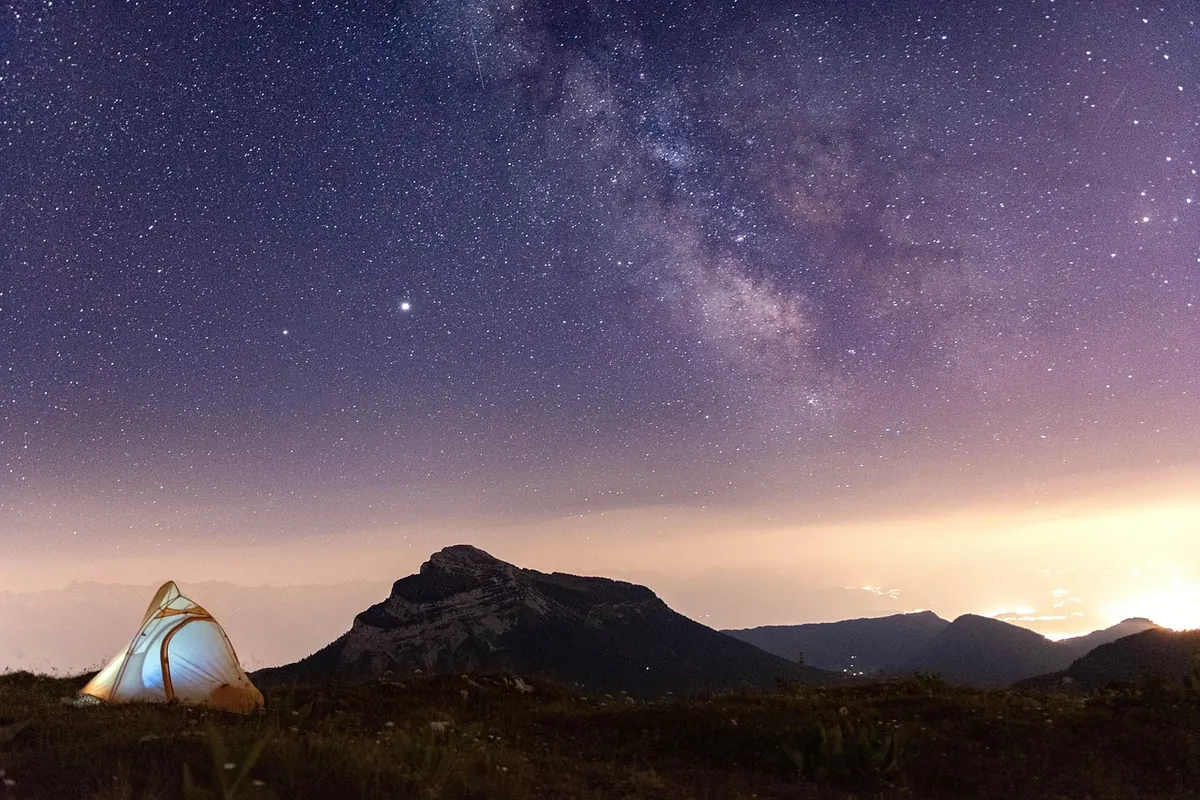
Photo: Shlomaster / Pixabay
A practical guide to wild camping in the UK, covering the legal differences across Scotland, England and Wales,...
Greenwashing, rail versus flight, and the low-cost choices that shrink a trip's carbon footprint — a practical guide...
October 07, 2026 - Tips
October 06, 2026 - Destinations
Copyright © 2026 Wander Press. All Right Reserved.