Wild Camping in the UK: A Beginner's Guide to Leave No Trace
October 08, 2026 - Travel Guides

October 07, 2026 - Tips
October 06, 2026 - Destinations
October 02, 2026 - Travel Guides
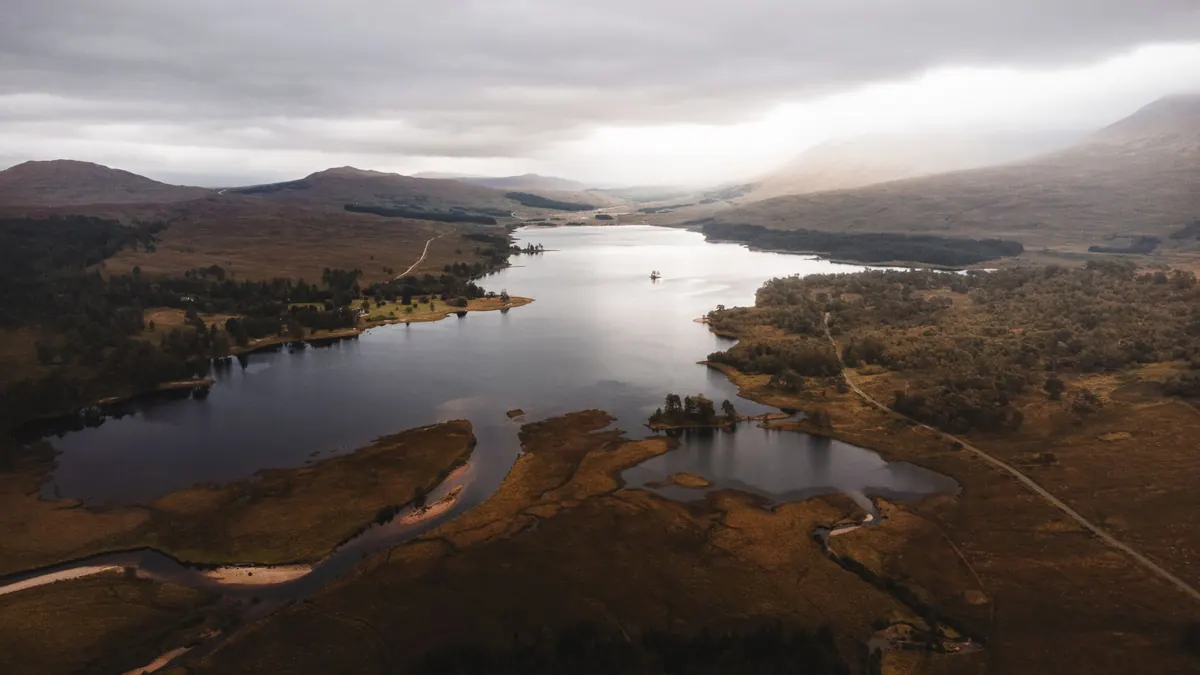
Autumn in the Highlands is a short, generous season. The birch woods above Glen Affric turn copper in the last days of September; by late October the larches on Deeside carry the final colour, and snow has usually settled on the Cairngorm plateau. In between you get a landscape that is quieter than in summer, easier to book than in July and, on the right day, far sharper than either.
It is also a season that punishes optimism. A blue-sky morning in Aviemore can be horizontal rain in Kinlochewe by two o'clock. Plan for that, and the Highlands will hand you some of the best days of the year.
Colour travels from west to east and from high ground to low. The west coast birch, rowan and oak — around Glen Affric, Torridon and Loch Maree — peak first, usually in the second half of September and the first week of October. Deeside and the Cairngorms follow, with larch and the surviving native pinewoods holding colour well into late October.
Two other things change. Midges thin out after the first proper frosts, although a still, damp September day in the west can still be lively, so take repellent anyway. Daylight also falls away quickly: by the end of October you are down to roughly nine hours, and a north-facing glen loses the sun long before the clock suggests evening. Start walks earlier than you would in summer.
This loop starts in Inverness and finishes in the Cairngorms, keeping most driving stints under two hours. It deliberately avoids the busiest stretches of the North Coast 500, which by October is still surprisingly well populated.
The finest single concentration of autumn colour in the country, and deservedly popular at weekends. Go midweek if you can, and expect the car parks to fill by ten on a bright Saturday.
Ancient Scots pine, birch and rowan against Torridonian sandstone. The woodland trail at the reserve visitor area is short and rewarding; the longer mountain trails need a settled day.
Caledonian pine with birch underneath, and loch reflections at Loch an Eilein and Loch Morlich. Wide, well-made paths make this the easiest place to bring children or anyone who prefers a flat mile.
The Hermitage and the Falls of Bruar are the accessible options; Killiecrankie and the woods around Dunkeld suit a half-day. Both are handy if you are travelling up from the south.
Ballochbuie, Glen Muick and the Morrone Birkwood above Braemar turn later, often in the second half of October. This is larch and oak country rather than birch.
Assume four seasons in a day and pack accordingly. The list below covers a week of low-level walking and one or two half-day hill outings.
Phone signal is patchy to non-existent in many glens. Save offline maps before you leave, tell someone your route and expected time back, and treat the Mountain Weather Information Service and the Met Office mountain forecasts as part of your morning routine. If you are new to hill days, or managing a medical condition, a day with a qualified guide is money well spent — and worth checking with your own doctor first.
Half-term weeks fill fast, particularly the Scottish October break and the English half-term that follows. Book early, and check closing dates: a number of campsites and some hostels shut for the season at the end of October.
For Glen Affric, look at Cannich, Tomich or Struy rather than Inverness — a handful of guesthouses and self-catering cottages, and a much shorter drive in the morning. Between Inverness and the west, Contin, Strathpeffer and Garve make good, unglamorous bases. On the coast, Kinlochewe, Gairloch, Poolewe, Shieldaig and Torridon have limited beds, so book months ahead. For the Cairngorms, Nethy Bridge, Boat of Garten and Carrbridge give you the same access as Aviemore without the traffic, while Tomintoul, Ballater and Braemar are the Deeside equivalents.
Bothies are free, unlocked and very basic: no booking, no facilities, and you carry out everything you carry in. Check Mountain Bothies Association listings before relying on one, and never assume a space will be free. Self-catering
Photo: Clément Proust / Pexels
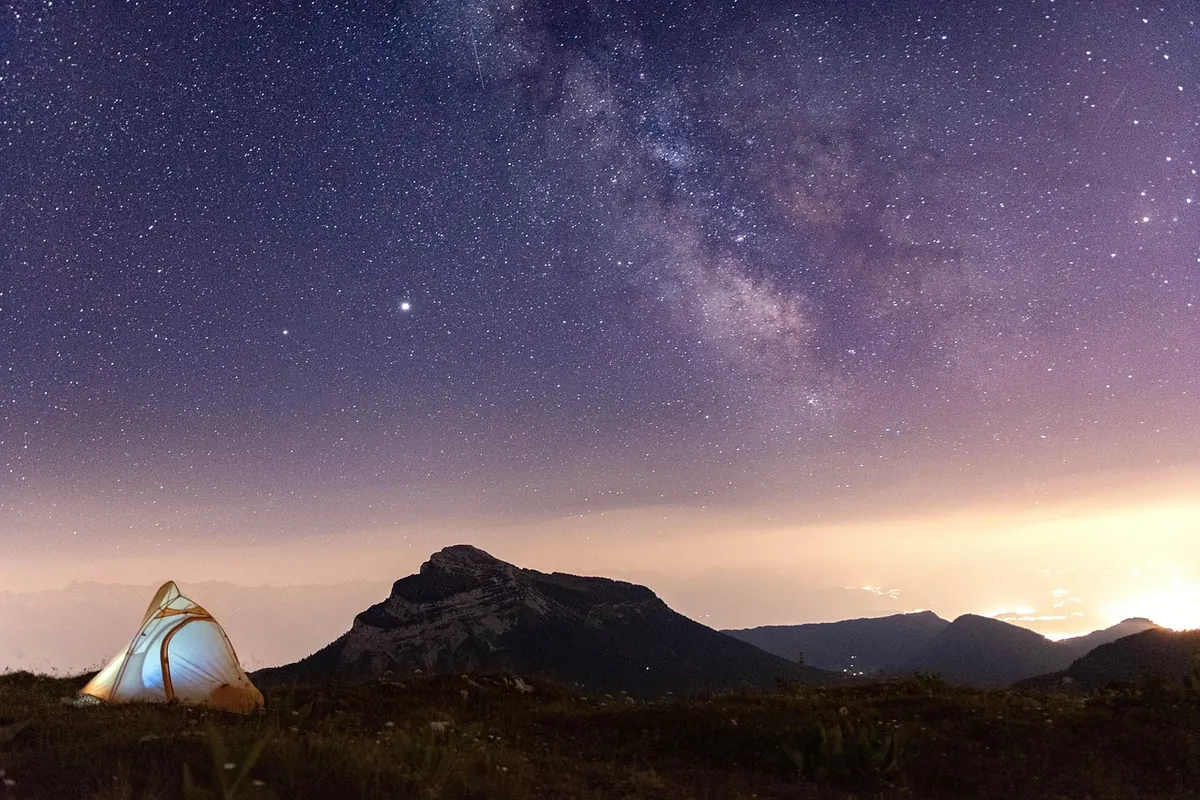
A practical guide to wild camping in the UK, covering the legal differences across Scotland, England and Wales,...
Greenwashing, rail versus flight, and the low-cost choices that shrink a trip's carbon footprint — a practical guide...
October 07, 2026 - Tips
October 06, 2026 - Destinations
Copyright © 2026 Wander Press. All Right Reserved.