Wild Camping in the UK: A Beginner's Guide to Leave No Trace
October 08, 2026 - Travel Guides

October 07, 2026 - Tips
October 06, 2026 - Destinations
October 02, 2026 - Travel Guides
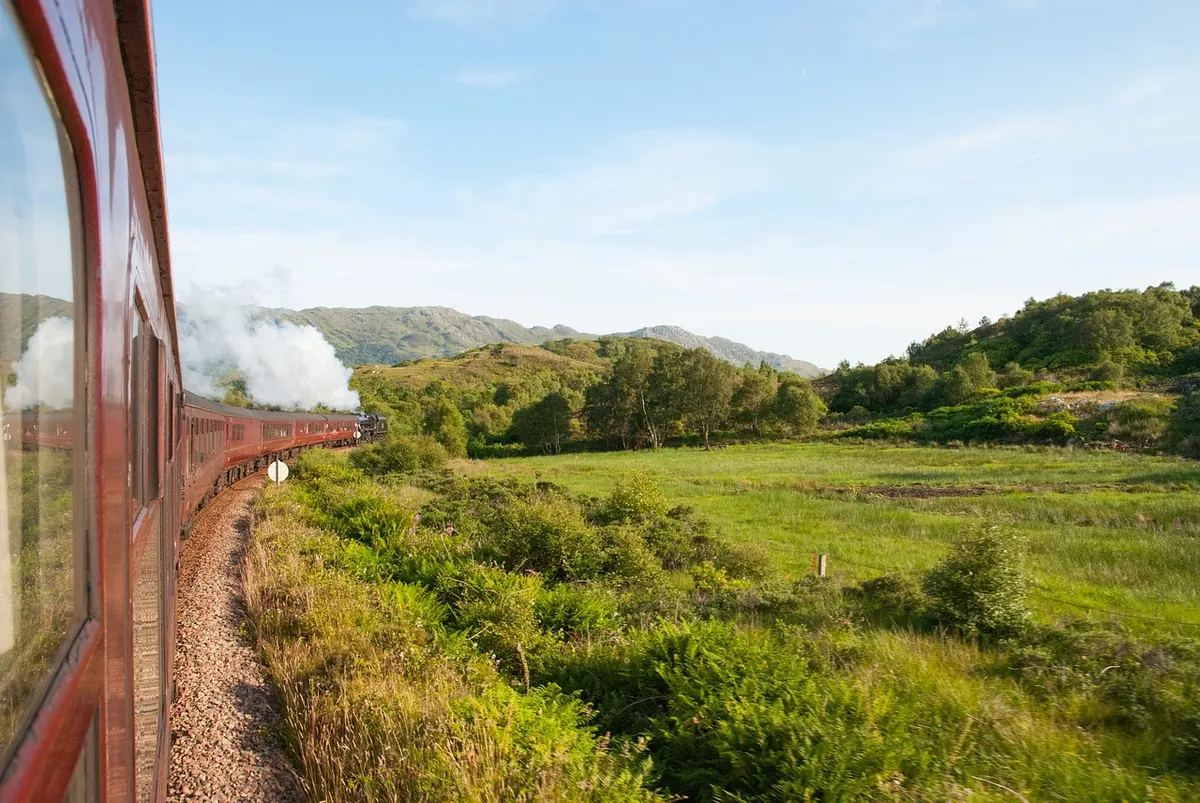
There is a particular pleasure in arriving somewhere new with nothing but a rucksack and the knowledge that nobody will spend the weekend hunting for a parking space. Rail travel in the UK is not always cheap, and rural connections can be thin, but both problems shrink with a bit of planning. This is how to build a staycation that runs entirely on trains, buses and your own two feet.
It is tempting to choose the destination first and worry about the journey later. Do it the other way round. Open the rail map and look for a town with a station, a high street you can walk in an afternoon, somewhere decent to eat, and a footpath or bus route leaving from the station forecourt.
Market towns usually beat honeypot villages for this. They have shops, a cashpoint, a couple of pubs and a station, and the countryside begins a few minutes from the platform. Hexham, Arundel, Hebden Bridge and Llandudno all work well, but the principle matters more than the name.
Before you book, check three things: the distance from station to accommodation (five minutes on foot beats a twenty-minute walk with luggage along a main road), the gradient, and step-free access at both ends. Older stations in hilly towns often mean stairs, footbridges and cobbles.
Rail fares in Britain reward people who plan. Advance singles, tied to a specific train, are released in batches, typically around twelve weeks before travel; set a reminder and book as soon as your dates are fixed. If you can travel outside the morning and late-afternoon peaks, off-peak and super off-peak fares are usually cheaper and far more forgiving if a plan slips.
Two singles are sometimes cheaper than a return, and split ticketing — buying separate tickets for different legs of one journey — can cut the cost noticeably. It is perfectly legitimate as long as the train calls at the station where you split, which means checking the timetable rather than assuming. Most railcards take roughly a third off, and they tend to pay for themselves in two or three trips.
A few habits worth keeping:
On a train, nobody weighs your bag. You will, however, lift it onto a rack, carry it up a footbridge and drag it along a platform, so weight matters more than volume. One manageable wheeled case plus a small rucksack works for most people; a single 35–40 litre backpack works for the rest.
Pack layers rather than bulk, one waterproof jacket, two pairs of shoes at most, and enough clothes for half the trip with a plan to rinse things in a sink. There are no liquid restrictions on domestic rail, which is a small mercy — but a full toiletry bag is dead weight, so decant what you need and leave the rest at home. Keep tickets, charger, water bottle and a snack in the rucksack, not in the case wedged under a seat three rows away.
The first and last hours of a car-free break are the ones people get wrong. Don't treat the station town as a corridor. Arrive early, leave your bag at left luggage or the hotel, and spend the afternoon where you are. Plenty of towns have a riverside or canal path, a museum and a market within ten minutes of the station.
Bike hire is increasingly available near stations, and tourist information offices still exist in most county towns. Ask them about footpaths leaving the town and which bus will bring you back. Rural buses thin out badly in the evening and on Sundays, so check the last service before you set off rather than after.
Some of the best car-free days are built around a single link between two forms of transport. Heritage railways often start at — or opposite — a mainline station: the Keighley & Worth Valley Railway shares a station with Keighley, and the Ffestiniog Railway begins across the platform from Blaenau Ffestiniog. Ferries do the same job, connecting railheads to islands and peninsulas, from Wemyss Bay to Rothesay or Mallaig to Armadale.
Failing that, look for a walk that starts and ends at a station. Coastal paths, canal towpaths and disused railway lines are usually well signposted, and a return ticket back from the far end removes any temptation to cut the day short. Note the last train, and give yourself an hour of slack.
Most rail-day problems are administrative rather than mechanical. Run through this before you sleep:
Trains do go wrong. When a connection fails, staff can usually route you on the next service — ask at the ticket office rather than guessing from the platform screen. If you are travelling with a bike, with medication, or with anything that needs arranging in advance, check the operator's rules well before you travel; a quick call to the train company beats any forum thread. Do those things, and the car stays at home where it belongs.
Photo: mentrea / Pixabay
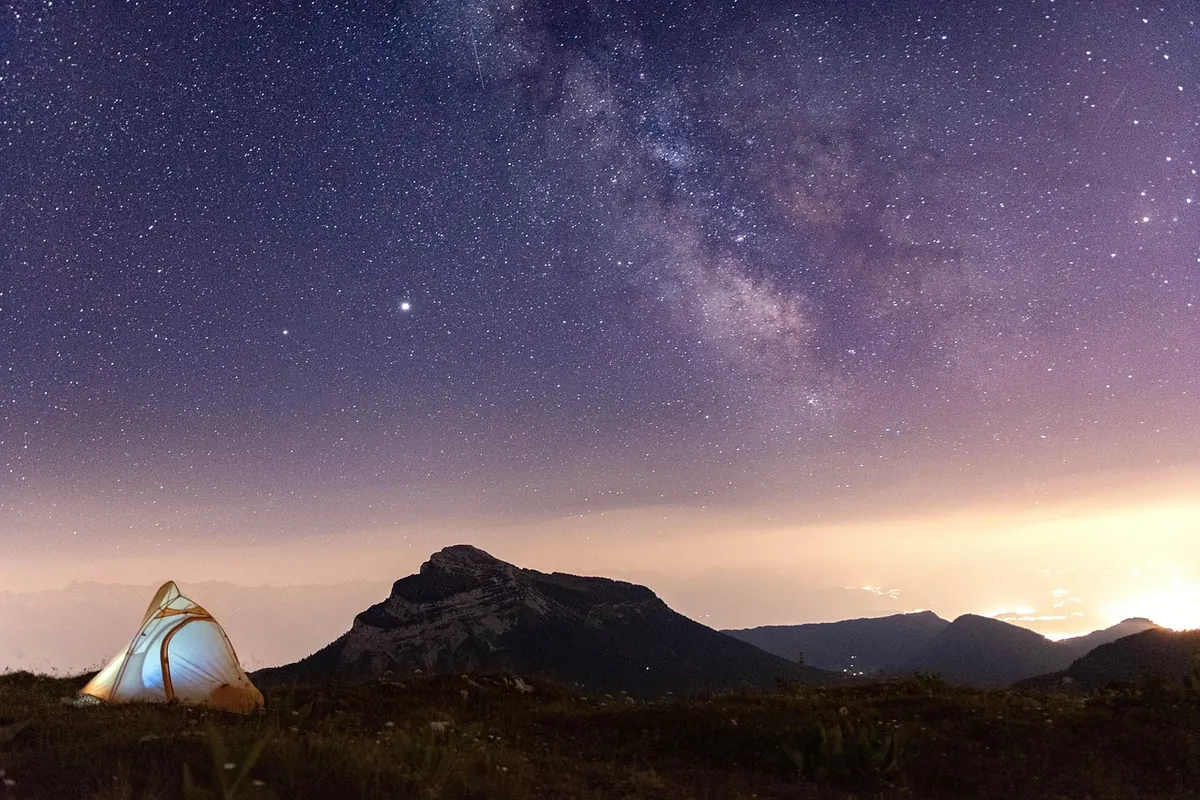
A practical guide to wild camping in the UK, covering the legal differences across Scotland, England and Wales,...
Greenwashing, rail versus flight, and the low-cost choices that shrink a trip's carbon footprint — a practical guide...
October 07, 2026 - Tips
October 06, 2026 - Destinations
Copyright © 2026 Wander Press. All Right Reserved.