Wild Camping in the UK: A Beginner's Guide to Leave No Trace
October 08, 2026 - Travel Guides


October 07, 2026 - Tips
October 06, 2026 - Destinations
October 02, 2026 - Travel Guides
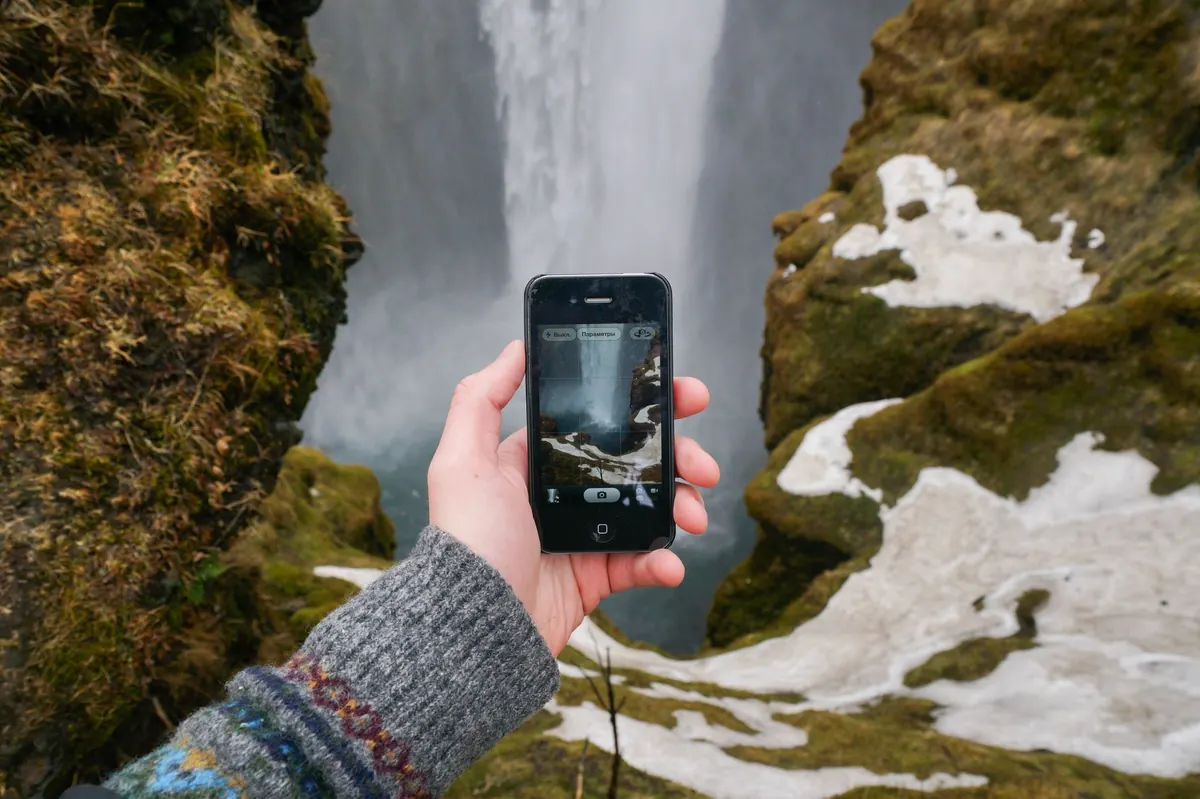
You do not need a heavy camera bag to come home with photographs worth printing. Most disappointing holiday shots fail for the same three reasons: the light was wrong, the frame was crowded, or nobody decided what the picture was actually about. All three are fixable with the phone already in your pocket.
What follows covers the basics: finding good light, arranging a frame, photographing people without making a nuisance of yourself, and editing a picture without turning a harbour town into a neon cartoon. None of it requires new equipment.
Light does more for a photograph than any setting on your phone. The hour after sunrise and the hour before sunset give you soft, warm, directional light that flatters almost everything: buildings, faces, food, coastlines. If you can arrange your day so the interesting places happen at those times, you have already improved your pictures more than any app will.
Midday sun is harder. It is high, harsh and flat, and it throws short black shadows under eyes and eaves. You have two decent options. Shoot in the shade — the north side of a street, under an arcade, inside a courtyard — where the light bounces and softens. Or use the harshness deliberately: strong shadows on a whitewashed wall can make a striking picture if you point the camera at the pattern rather than the building.
Overcast days are better than their reputation. Cloud cover works like a giant softbox: colours stay even, skin looks good, and you can photograph at any hour.
On the phone itself, three habits matter:
Before you raise the phone, answer one question: what is this a picture of? A doorway, a plate of grilled fish, your friend laughing at something off-camera. Once you know, everything else in the frame either supports that subject or gets removed.
Look for lines that lead towards your subject — a lane, a railing, a row of parked scooters, the edge of a canal. A photograph with a foreground, a middle distance and a background reads as three-dimensional rather than flat. Try standing behind something: a doorway, a branch, a curtain of drying laundry. Framing a subject through a shape adds depth for free.
Most beginners shoot from eye level and stop there. Crouch for a low angle, stand on a step, lean over a balcony. Walk two paces closer than feels comfortable. If a picture is not working, changing where you stand fixes it far more often than changing a setting.
A cathedral, a canyon or a bridge means nothing without a reference. A person, a bicycle, a doorway, a dog in the corner tells the viewer how big everything else is. This is also why a stranger walking through your frame is often an improvement rather than an interruption.
Quick checks before you press the shutter:
People make travel photographs. Portraits of strangers can also be the quickest way to annoy a whole street. The workable approach is simple: ask first, with a gesture if you do not share a language, and accept a refusal gracefully. A nod and a smile afterwards costs nothing and often leads to a better second photograph.
Be careful with children. Unless a parent or guardian is clearly happy for you to take the picture, leave it.
Markets, temples, mosques, churches and some public buildings come with their own rules about photography. Look for signs, watch what locals do, and ask at the entrance if you are unsure. When someone objects, put the phone away rather than explaining why they should not mind. If you want candid shots, do not creep about with the camera at waist height. Stand still somewhere interesting, frame the scene, and wait for people to walk into it.
Editing on a phone should take a minute. Open whichever photo app came with your device, or any simple editor, and work through these in order:
Resist the temptation to apply a heavy preset to everything. Strong filters date quickly, and a single look flattens the difference between a rainy Tuesday in Bergen and a blazing afternoon in Seville. Keep the original file untouched, so you can return to it when your taste changes.
Give yourself one subject per day. Tuesday is doors. Wednesday is market stalls and hands. Thursday is reflections in shop windows. Choosing a theme forces you to look properly instead of photographing everything and remembering nothing.
Then, at the end of each day, delete the obvious duds, edit three pictures and leave the rest. Ten minutes in a café is enough. By the time you get home you will have a small, strong set rather than four thousand files nobody will ever open again.
The first few days will feel clumsy. That is normal. By the end of a fortnight you will be noticing light and lines without thinking about it, and your photographs will show it.
Photo: ArtHouse Studio / Pexels
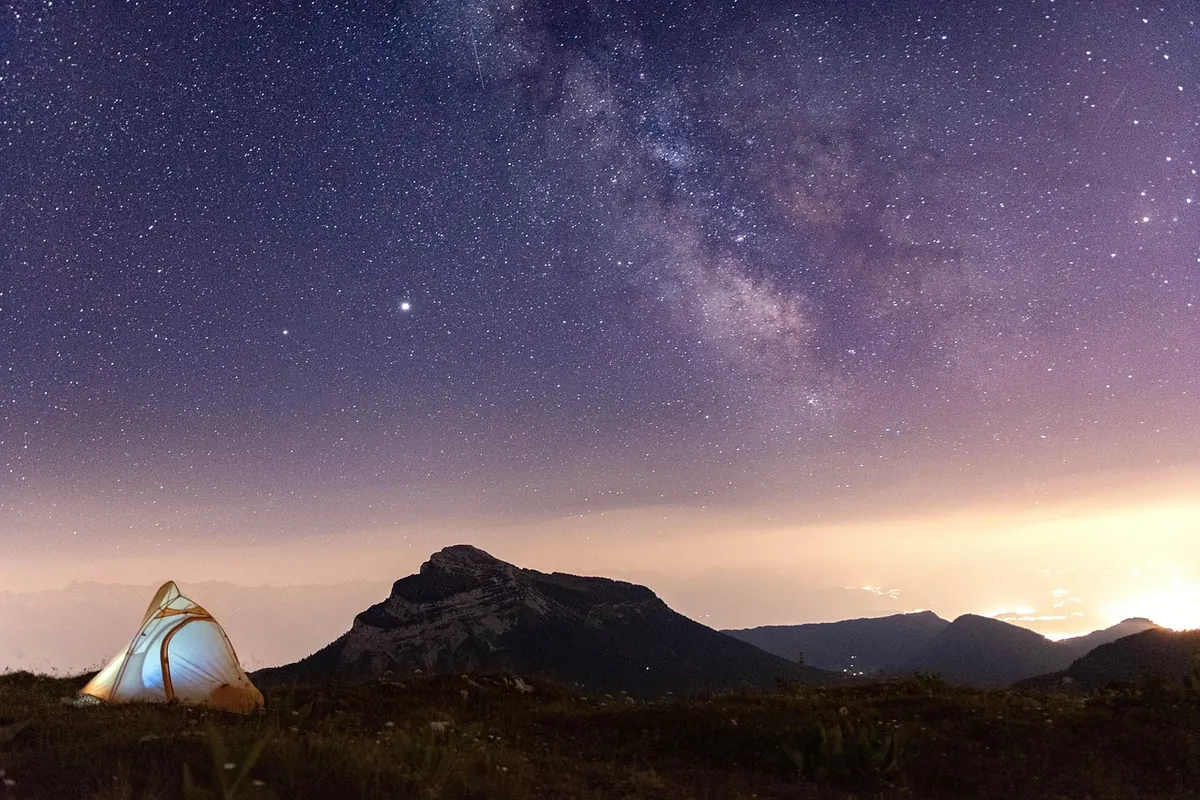
A practical guide to wild camping in the UK, covering the legal differences across Scotland, England and Wales,...
Greenwashing, rail versus flight, and the low-cost choices that shrink a trip's carbon footprint — a practical guide...
October 07, 2026 - Tips
October 06, 2026 - Destinations
Copyright © 2026 Wander Press. All Right Reserved.